Clone Competitor Ad Styles with AI: 6-Step Guide
Learn how to clone winning competitor ad styles with AI in 6 simple steps. Reverse engineer visual strategies that convert without expensive photoshoots.
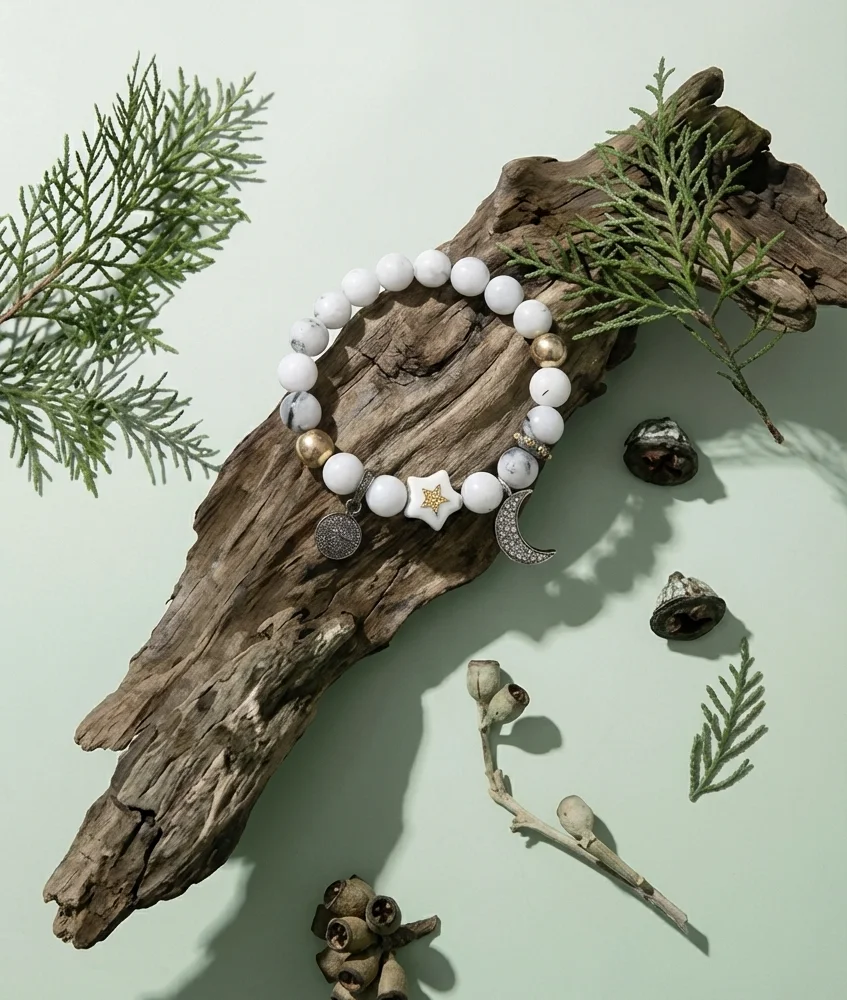
How to Clone Competitor Ad Styles with AI: A Step-by-Step Guide for 2026
Ever stared at a competitor’s product listing and wondered: “How do they make their ads look so professional?”
You’re not alone. Top-performing sellers have cracked the code on visual styles that convert—and now, with AI ad cloning technology, you can reverse-engineer those winning aesthetics for your own products.
In this guide, I’ll walk you through a proven 6-step framework to clone competitor ad styles using AI. No expensive photoshoots. No guesswork. Just proven visual strategies applied to your products.
Quick Win: Sellers using AI ad cloning report 30-50% conversion rate improvements by matching proven visual styles.
Why Clone Competitor Ad Styles?
Creating professional product ads traditionally costs $1,000-5,000 per product when you factor in studio rental, photographers, props, and editing. Worse, you might spend all that money on a style that doesn’t even convert.
Ad cloning flips this equation. Instead of guessing what works, you identify ads that are already proven successful—bestseller badges, high engagement, strong reviews—and apply those same visual aesthetics to your products.
Here’s why smart sellers are using competitor ad analysis:
- Skip the trial-and-error: Clone styles validated by market performance
- Level the playing field: Access the same visual strategies as big brands
- Launch faster: Go from idea to professional ad in under 30 seconds
- Test affordably: Generate 5-10 style variations for the price of one traditional photo
Step 1: Research & Select Your Target Reference
Not all competitor ads are worth cloning. Here’s how to identify winners:
What to Look For
- Bestseller badges or high review counts (proven performance)
- High engagement on social platforms (likes, shares, saves)
- Product similarity (similar category, size, or use case)
- Achievable aesthetics (styles that will work with your product)
What to Avoid
- Ads relying on specific branded elements you can’t replicate
- Overly complex scenes that may not transfer well
- Styles that don’t match your product category
Pro Tip: Create a “swipe file” folder with 10-15 reference ads organized by visual style—minimalist, lifestyle, luxury, etc.
Step 2: Prepare Your Product Image
The quality of your output depends heavily on your input. Here’s how to get it right:
Best Practices
- Use white or simple backgrounds for easier AI extraction
- Capture multiple angles so the AI understands your product’s shape
- Ensure good lighting on the product itself (AI will handle the scene lighting)
- Show key features clearly—don’t hide important details
Phone Photography Tips
Don’t have a professional camera? No problem. Modern smartphones work great:
- Shoot near a window for soft, natural light
- Use a white poster board as a backdrop
- Take photos in portrait mode for better edge detection
- Capture 3-5 angles of each product
Step 3: Upload & Let AI Analyze
This is where the magic happens. Using an AI ad cloning tool like FocalFlow Ad Clone, the system performs reverse rendering analysis on your reference image.
What AI Analyzes (18 Dimensions)
| Category | Elements Analyzed |
|---|---|
| Scene | Background color, surface material, spatial depth |
| Lighting | Light source direction, shadow quality, color temperature |
| Props | Supporting objects, positioning, layer layout |
| Composition | Camera angle, depth of field, negative space |
| Color Style | Primary palette, color scheme, saturation levels |
| Product Placement | Integration point, replacement guide, blend method |
The AI doesn’t just copy colors—it understands the visual DNA that makes the reference ad effective.
Step 4: Review & Fine-tune the Style
After analysis, you’ll get a structured style description. This is your chance to customize before generation.
What You Can Adjust
- Lighting intensity: Make it brighter or more dramatic
- Color tone: Shift warmer or cooler
- Props: Add or remove supporting elements
- Background complexity: Simplify or add detail
- Mood: Professional, playful, luxury, casual
Editing the Prompt
Advanced users can directly edit the AI-generated prompt for precise control. This lets you combine elements from multiple reference styles or add your own creative direction.
Step 5: Generate & Create Variations
Don’t stop at one generation. The real power of AI ad cloning is rapid iteration.
Recommended Workflow
- Generate 3-5 variations using different reference styles
- Mix elements: Combine the lighting from one reference with the composition of another
- Platform optimization: Create 1:1 for Amazon, 4:5 for Instagram, 16:9 for ads
- Seasonal versions: Apply holiday or event themes to proven styles
Speed Advantage: Each generation takes 10-15 seconds. What used to take weeks of photoshoots now happens in minutes.
Step 6: A/B Test & Deploy
Cloning is only half the battle—you need data to prove what works.
Testing Strategy
- Test 2-3 cloned styles against your current images
- Run for 2-4 weeks to gather statistically significant data
- Track key metrics: Click-through rate (CTR), conversion rate, bounce rate
- Document learnings: What styles resonate with your audience?
Platform-Specific Tips
Amazon: Your main image is everything. Clone the styles of bestsellers in your exact subcategory.
Shopify: Maintain brand consistency by using the same cloned style across your catalog.
Instagram/TikTok: Clone viral product post styles for higher organic engagement.
Real Results: Case Study
The Challenge: A kitchen products seller launching a new stainless steel knife set on Amazon had zero photography budget and faced intense competition from established brands with professional imagery.
The Strategy: They used the 6-step cloning framework over 4 weeks:
- Week 1: Analyzed top 10 bestsellers in the Kitchen & Dining category
- Week 2: Selected 3 distinct winning styles (minimalist dark background, lifestyle cooking scene, professional studio setup)
- Week 3: Used FocalFlow Ad Clone to generate 15 variations (5 per style)
- Week 4: Ran A/B tests comparing cloned styles against their original DIY photos
The Results After 6 Weeks:
- 47% higher CTR compared to their original images
- Bestseller badge achieved in the Kitchen Knife Sets subcategory
- $2,000 saved in traditional photography costs
- 3.2x ROAS on Amazon PPC campaigns using cloned ad creatives
The Key Insight: They didn’t copy competitors’ products or branding. Instead, they reverse-engineered the visual DNA that made top-performing ads successful—the lighting angles, background depth, and compositional balance—then applied those proven strategies to showcase their own unique knife set features.
Their Advice: “Test multiple styles from different successful competitors. We almost went with the dark minimalist look because it looked coolest, but the lifestyle cooking scene actually converted 23% better with our target audience. Data beats intuition every time.”
Common Mistakes to Avoid
❌ Cloning Too Complex
Ads with intricate human interactions or highly specific branded environments don’t clone well. Start with clean, product-focused compositions.
❌ Ignoring Product Authenticity
The goal is enhanced presentation, not misrepresentation. Ensure your product’s true colors and key features remain accurate.
❌ Single-Reference Cloning
Don’t clone just one competitor. Test 3-5 different successful styles to find what works best for your specific product.
❌ Skipping A/B Tests
Never replace all your images at once without testing. Data should drive your decisions.
Advanced Tips for Power Users
Seasonal Style Cloning
Save proven reference ads from previous holiday seasons. When Black Friday or Christmas rolls around, clone those seasonal aesthetics instead of creating new photoshoots.
Cross-Market Localization
Expanding internationally? Research successful local competitors in each market and clone their visual preferences:
- Japan: Clean, minimalist aesthetics
- Germany: Functional, detail-focused imagery
- US: Lifestyle-driven, aspirational contexts
Creating Hybrid Styles
Combine elements from multiple reference ads. Take the lighting from one bestseller, the composition from another, and create something uniquely effective for your brand.
Your Action Plan for This Week
Monday-Tuesday: Research and collect 5-10 reference ads from successful competitors
Wednesday: Prepare product photos using the phone photography tips above
Thursday: Use FocalFlow Ad Clone to generate 3-5 style variations
Friday: Upload and start A/B tests on your platform
Next 2-4 weeks: Monitor performance data and scale the winning styles
Key Takeaways
Cloning competitor ad styles isn’t about copying—it’s about learning from proven success and applying those lessons to your own products.
Remember these principles:
- Clone styles, not images (apply aesthetics to your original photos)
- Test multiple variations (let data guide your final choice)
- Maintain authenticity (enhance without misrepresenting)
- Iterate continuously (visual optimization is ongoing)
Ready to clone your first winning ad style? Try FocalFlow Ad Clone free and generate professional product ads in under 30 seconds. Upload your reference image and product photo to see how proven visual strategies can transform your e-commerce performance.
Related Resources
- Amazon Listing Image Optimization - Clone top seller styles for higher Amazon conversions
- AI Ad Clone Tool: Complete Guide - Comprehensive overview of ad cloning technology
- Shopify Product Image Optimization - Platform-specific strategies
- Product Photography A/B Testing - Data-driven image optimization
- E-commerce Visual Design Guide - Broader visual strategy framework