Fashion Product Photography: From Studio to AI-Generated Runway Looks
Master fashion product photography with our comprehensive guide. Learn traditional studio techniques, AI-powered solutions, and how to create stunning runway-quality images that boost conversions and elevate your brand.
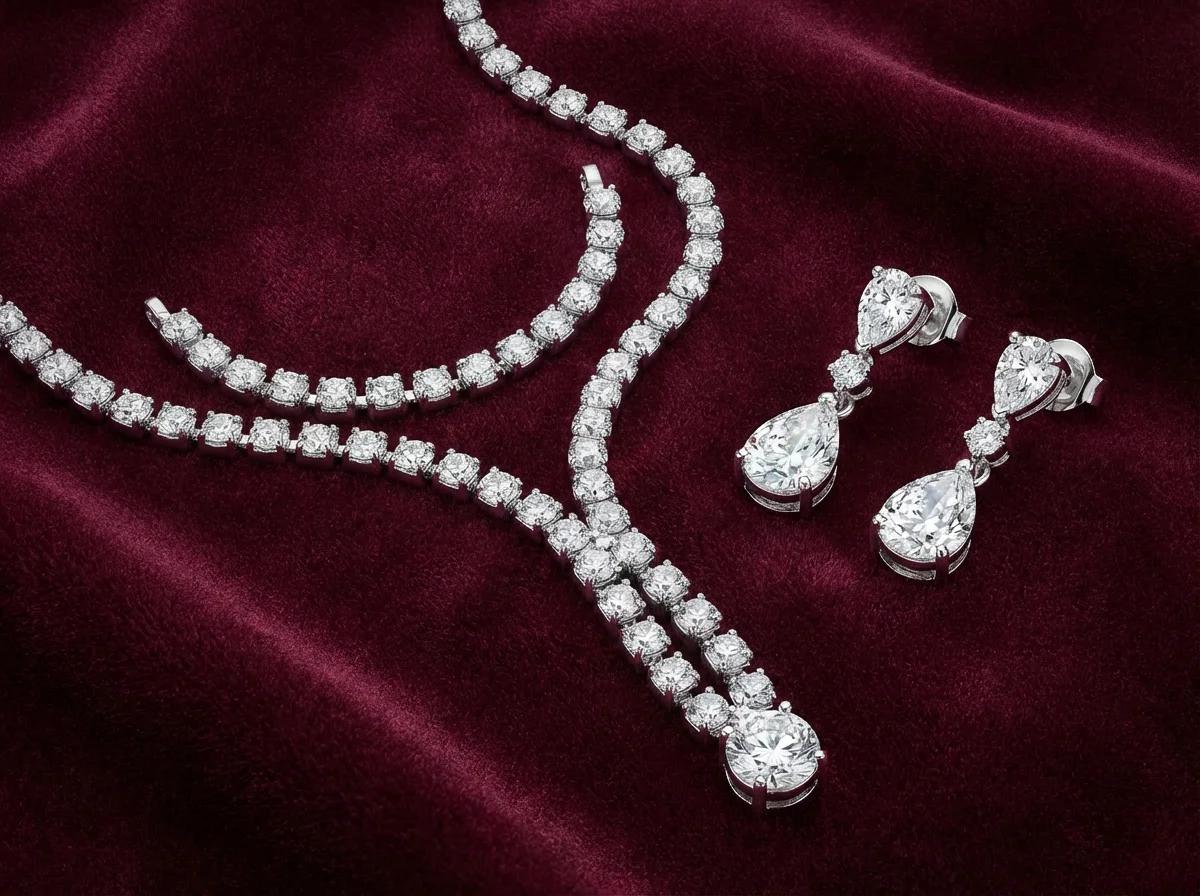
Fashion Product Photography: From Studio to AI-Generated Runway Looks
In the hyper-competitive world of fashion e-commerce, your product images aren’t just pictures—they’re the runway where your brand makes its first impression. When a potential customer scrolls through Instagram, clicks on a Facebook ad, or lands on your Shopify product page, you have approximately 0.05 seconds to capture their attention and convince them to explore further.
Fashion product photography presents unique challenges that distinguish it from other e-commerce categories. Fabrics drape differently, colors must be accurately represented across devices, and the overall aesthetic must convey the lifestyle and emotions your brand embodies. Yet many fashion retailers struggle to consistently produce high-quality product images that convert browsers into buyers.
This comprehensive guide explores both traditional fashion photography techniques and revolutionary AI-powered solutions that are democratizing access to studio-quality imagery. Whether you’re a boutique fashion brand, a dropshipping entrepreneur, or an established retailer, you’ll discover actionable strategies to elevate your product photography and differentiate your brand in a crowded marketplace.
TL;DR: This guide covers traditional studio photography techniques, AI-powered fashion photography tools, styling best practices, lighting setups, and how to create cohesive brand imagery that drives conversions.
Why Fashion Product Photography Demands Special Attention
Fashion e-commerce operates in a visual-first ecosystem where consumers cannot touch fabrics, try on garments, or experience the drape and movement of clothing before purchasing. This fundamental challenge makes product photography critically important—and uniquely difficult.
The Emotional Connection Factor
Unlike electronics or home goods where specifications dominate purchasing decisions, fashion purchases are inherently emotional. Customers aren’t just buying a garment; they’re buying an identity, a lifestyle, an aspiration. Your product images must convey not just what the clothing looks like, but how wearing it will make the customer feel.
The emotional impact of fashion imagery:
Aspirational appeal helps customers envision themselves wearing the product in desired contexts—walking through city streets, attending social events, or simply feeling confident in their daily lives. Brand storytelling through consistent fashion imagery communicates your brand’s aesthetic, values, and target demographic without a single word. Quality perception from professional fashion photography signals that your brand is legitimate, trustworthy, and committed to excellence.
The Technical Complexity of Clothing
Fashion products present technical challenges that other e-commerce categories simply don’t face. Fabric behavior varies as different materials—silk, cotton, denim, wool—drape, reflect light, and photograph uniquely. Color accuracy is critical since the same dress can appear dramatically different depending on lighting conditions, screen calibration, and image compression. Form and fit must be communicated effectively since unlike rigid products, clothing must be photographed in ways that show fit and silhouette. Detail visibility matters because stitching, texture, hardware, and construction details influence purchasing decisions but are challenging to capture consistently.
The Conversion Equation
The financial impact of fashion product photography is substantial and measurable:
| Metric | Impact of Professional Fashion Photography |
|---|---|
| Conversion Rate | 30-50% higher for stores with consistent, high-quality imagery |
| Return Rates | 15-25% lower when product expectations are accurately set |
| Average Order Value | 20-30% higher for brands with aspirational lifestyle imagery |
| Social Engagement | 2-3x more shares and saves for fashion-forward content |
Traditional Fashion Photography: Building Your Studio Foundation
Before exploring AI-powered solutions, understanding traditional fashion photography principles ensures you can evaluate, direct, and enhance any imagery—whether created by humans or machines.
Essential Equipment for Fashion E-commerce
Building a fashion photography setup requires careful equipment selection balanced against budget constraints:
Camera Systems:
Professional fashion photographers typically use full-frame DSLR or mirrorless cameras with high-resolution sensors capable of capturing fabric details and color accuracy. However, modern smartphone cameras have reached a quality threshold where they can produce acceptable e-commerce imagery for smaller retailers, especially when combined with proper lighting and styling.
Lighting Equipment:
Fashion photography relies heavily on lighting to flatter fabrics, create dimension, and set mood. Softboxes create diffused, flattering light that minimizes harsh shadows on fabric surfaces. Beauty dishes produce a distinctive, slightly harder light pattern favored for fashion editorials. LED panels with color-tunable capabilities allow precise control over color temperature. Reflectors and fill lights balance shadows and control contrast.
Backdrop Options:
Fashion product photography typically employs seamless paper for infinite white or gray backgrounds that create clean professional product images, cyclorama walls with curved corners that eliminate floor-to-wall transitions for full-length shots, and textured surfaces like wood, concrete, or fabric backdrops that add environmental context.
Core Lighting Setups for Fashion
Three-point lighting forms the foundation of fashion photography, but fashion demands more sophisticated approaches:
The Flat-Lay Standard:
For online retailers, flat-lay photography offers consistency and efficiency:
Lighting Setup for Flat-Lay:
- Main light: 45° angle from above, diffusing soft shadows
- Fill light: Opposite side at lower intensity
- Camera position: Directly overhead, perfectly parallel to surface
This setup ensures even illumination across the entire garment while maintaining fabric texture visibility.
The Ghost Mannequin Effect:
For apparel that needs to appear three-dimensional without a visible model, photograph garment on mannequin from front, back, and sides, then carefully blend images in post-production. Remove mannequin while maintaining natural garment shape. The result appears as if garment is magically filled out.
This technique showcases garment shape and fit while maintaining the efficiency of studio photography.
Styling and Prop Techniques
Professional fashion stylists transform simple product shots into compelling imagery through careful attention to detail:
Garment Preparation: Steam or press all items before photography, remove all tags/stickers/packaging, address any manufacturing imperfections, stuff sleeves and bodices to maintain shape.
Contextual Styling:
Rather than photographing items in isolation, successful fashion e-commerce often incorporates layered looks to show how pieces can be worn together, accessory pairing to suggest complementary items, lifestyle elements like relevant props (books, plants, lifestyle objects), and seasonal themes that align styling with current or upcoming seasons.
AI-Powered Fashion Photography: The Revolutionary Alternative
Traditional fashion photography demands significant investment in equipment, studio space, expertise, and time. AI-powered solutions are fundamentally changing the economics and accessibility of professional fashion imagery.
Understanding AI Fashion Photography
AI fashion photography encompasses several technologies working in concert:
Generative AI Models:
Advanced machine learning models trained on millions of fashion images can generate new images, modify existing ones, or transform basic product photos into professional studio-quality imagery. These models understand fashion-specific concepts including garment construction, fabric physics, lighting dynamics, and aesthetic trends.
Virtual Try-On Technology:
AI can overlay garments onto virtual models or real customer photos, showing how items fit, drape, and move. This technology bridges the gap between static product images and the try-on experience customers lose when shopping online.
Background and Scene Generation:
AI can place product photos in any context—from studio white backgrounds to runway-style settings—without physical studio setups. This enables brands to create diverse, lifestyle-oriented imagery at a fraction of traditional costs.
Benefits of AI Fashion Photography
Cost Efficiency:
| Traditional Approach | AI-Powered Approach |
|---|---|
| $200-500 per product shot | $10-50 per product shot |
| Requires studio rental | Cloud-based, instant access |
| Professional photographer required | Minimal human intervention |
| 2-4 week turnaround | Hours or minutes |
| Limited iterations | Infinite variations |
Speed to Market:
Fashion operates on rapid cycles where speed-to-market directly impacts competitiveness. AI photography eliminates scheduling conflicts, shipping delays, and photographer availability constraints. You can launch new collections within hours not weeks, quickly respond to trends with fresh imagery, rapidly test different creative directions, and instantly update seasonal content.
Consistency at Scale:
Maintaining visual consistency across large product catalogs challenges even established brands. AI ensures uniform lighting and color treatment, consistent styling approaches, cohesive brand aesthetic across all products, and automated quality control and standardization.
Practical AI Fashion Photography Workflows
Implementing AI fashion photography requires thoughtful integration into existing workflows:
Basic Product Enhancement:
Start with simple AI enhancements to existing photography. Upload existing product images to AI platform, select enhancement options (background removal, color correction, upscaling), review and approve generated results, then export optimized images for all channels.
This low-risk approach allows teams to build confidence in AI tools while immediately improving image quality.
Complete AI-Generated Imagery:
For brands ready to embrace AI more fully, provide product details, fabric information, and brand guidelines. Select desired image styles, settings, and models. Generate multiple variations simultaneously, curate and refine selections, then deploy across e-commerce channels.
Hybrid Approaches:
The most effective strategies often combine human and AI contributions. Use AI for background generation while photographing products in-house. Employ AI to create lifestyle scenes from studio product shots. Generate multiple model variations from single photoshoots. Use AI for initial concepts, then refine with professional retouching.
Building Your Fashion Photography Strategy
Success requires more than great images—it demands strategic alignment between photography and business objectives.
Defining Your Visual Brand Identity
Before creating any images, establish clear visual guidelines:
Brand Aesthetic Parameters: Define color palette for all imagery (warm, cool, vibrant, muted), lighting style (natural, dramatic, flat, dimensional), model aesthetic (demographic, body type, styling approach), composition rules (framing, negative space, product prominence), and post-processing standards (color grading, retouching intensity).
Creating a Style Guide:
Document your visual standards in a reference document that any team member or vendor can follow:
Fashion Photography Style Guide Example:
- Aspect Ratio: 1:1 for e-commerce, 4:5 for social media
- Background: #FFFFFF for marketplace, lifestyle scenes for brand site
- Color Profile: sRGB, +10% saturation for fashion
- Model Age Range: 25-35 for contemporary brands
- Shot List: front, back, detail, lifestyle per product
Building a Shot List Strategy
Every fashion product needs a complete set of images serving different purposes:
Essential Product Shots:
| Shot Type | Purpose | Best Practice |
|---|---|---|
| Front view | Primary product display | Full garment, centered, natural drape |
| Back view | Complete product view | Show back detail, label, construction |
| Close-up | Texture and detail | 4-6 inches from fabric, show weave/print |
| Side profile | Silhouette and fit | Full-length, show draping and shape |
| In-use/lifestyle | Aspirational context | Model wearing, relevant setting |
Content-Type Variations:
Beyond product pages, fashion brands need imagery for social media posts and ads, email marketing campaigns, lookbooks and look cards, print catalog materials, and influencer and affiliate content.
Quality Control and Optimization
Maintaining quality across large product catalogs requires systematic processes:
Image Quality Checklist: Ensure sharp focus on key product elements, accurate color representation, appropriate exposure without blown highlights, consistent sizing and aspect ratios, clean backgrounds or intentional styling, professional retouching without over-processing, and file sizes optimized for channel requirements.
Channel-Specific Optimization:
Different sales channels demand different specifications:
| Channel | Aspect Ratio | Max File Size | Format |
|---|---|---|---|
| Shopify | 1:1 or 4:5 | 5MB | JPG, PNG, WebP |
| 4:5 | 30MB | JPG, PNG | |
| Amazon | 1:1 | 10MB | JPG |
| Facebook Ads | 1:1 or 4:5 | 30MB | JPG, PNG |
Advanced Techniques for Fashion E-commerce Excellence
Creating Cohesive Collection Imagery
Successful fashion brands create visual narratives across entire collections rather than treating products as isolated items:
Collection Storytelling:
When photographing multiple items, plan shoots with these considerations. Create consistent lighting across all products, use unified color grading and post-processing, design cohesive styling that connects pieces, plan cross-merchandising opportunities visually, and capture images showing how pieces work together.
The Lookbook Approach:
Lookbook imagery extends beyond individual products to show complete outfits and styling concepts. Define 8-12 key looks representing the collection, photograph looks as complete ensembles, include both full outfits and individual item highlights, create both catalog and lifestyle versions, and enable easy shopping of individual components.
Optimizing for Social Commerce
Fashion dominates social commerce, requiring platform-specific image strategies:
Instagram-Dominant Strategy: Prioritize 4:5 vertical imagery, create carousel-ready image sets, design for scroll-stopping impact in feeds, plan Stories and Reels-compatible content, and maintain grid aesthetic through cohesive styling.
TikTok and Short-Video Optimization:
While static images differ from video, planning for both increases efficiency. Photograph products with movement in mind, capture multiple angles quickly for video material, create split-screen and transition-friendly compositions, and design frames that work in vertical video formats.
Leveraging User-Generated Content
Customer photos provide authentic social proof while reducing content creation costs:
Encouraging Quality UGC: Feature customers who share quality photos, create branded hashtags for submissions, offer incentives for photo reviews, host photo contests with professional prizes, and repost and credit customer content strategically.
Integrating UGC with Professional Imagery:
Blend user and professional content for maximum impact. Use customer photos on product detail pages, create side-by-side comparisons (professional vs. real-world), build trust through authentic representation, and reduce perceived gap between idealized and actual product appearance.
Implementation Roadmap: From Strategy to Execution
Phase 1: Assessment and Planning (Week 1)
Audit Current Assets: Catalog all existing product photography, identify gaps and inconsistencies, assess current quality against competitors, document channel-specific requirements, and calculate current photography costs per SKU.
Define Success Metrics: Establish baseline conversion rates, define target improvements (e.g., +20% conversion), set quality standards and style guidelines, create approval workflows and quality gates, and budget for new equipment or AI services.
Phase 2: Tool Selection and Setup (Week 2)
Evaluate Photography Options: Assess in-house capabilities and gaps, research AI fashion photography platforms, compare costs and capabilities of outsourcing, consider hybrid approaches combining multiple methods, and select primary tools and backup options.
Integration Planning: Map photography workflows to product cycles, establish file management and naming conventions, set up quality control processes, configure channel-specific export settings, and train team on new processes and tools.
Phase 3: Production and Optimization (Week 3-4)
Execute Initial Shoots: Complete photography for priority products, implement new styling and lighting approaches, generate AI-enhanced variations for comparison, establish baseline quality metrics, and document lessons learned and refine processes.
Iterate and Improve: Analyze performance data from new imagery, A/B test different photography styles, refine approaches based on results, expand successful strategies across catalog, and document best practices for future reference.
Phase 4: Scale and Automate (Ongoing)
Scale Production: Increase photography throughput, expand AI platform usage, reduce cost per image over time, maintain quality while increasing volume, and build seasonal and trend-responsive processes.
Continuous Improvement: Monitor industry trends and competitor imagery, test emerging AI capabilities, update style guides based on performance data, expand channel-specific optimization, and build comprehensive image asset library.
Common Fashion Photography Mistakes to Avoid
Understanding pitfalls helps teams navigate challenges more effectively:
Technical Errors
Inconsistent Color Representation:
Color inconsistency across products destroys customer trust and drives returns. Combat this through calibrated studio lighting with consistent color temperature, professional color management workflows, color verification before image approval, and reference color swatches in every shoot.
Poor Fabric Representation:
When fabric texture and quality don’t translate through photography, customers receive products that don’t match expectations. Use appropriate lighting angles to reveal texture, include close-up detail shots in every product set, show fabric movement and drape when possible, and avoid over-processing that smooths texture.
Strategic Errors
Generic Imagery:
When all products look the same, nothing stands out. Develop distinctive brand aesthetic, create memorable visual signatures, invest in unique styling and settings, and differentiate through creativity not just quality.
Ignoring Mobile Experience:
The majority of fashion e-commerce traffic comes from mobile devices, yet many brands optimize for desktop. Test all imagery on actual mobile devices, ensure details remain visible on small screens, optimize for mobile-first loading performance, and design for vertical formats used in social commerce.
Operational Errors
Inadequate Shot Documentation:
Without proper documentation, recreating successful imagery becomes impossible. Document every shoot setup with photos and notes, create reusable templates and style guides, maintain shot lists with specific requirements, and archive successful approaches for future reference.
Neglecting Updates:
Outdated imagery hurts seasonal relevance and customer perception. Update imagery with new seasons and collections, refresh lifestyle imagery regularly, retire dated styling and settings, and plan regular photography updates for core products.
Measuring Fashion Photography Success
Track these metrics to understand photography’s business impact:
Engagement Metrics
Key engagement metrics include click-through rate from product listing images, time on page for product detail pages, image save rate on social platforms, social share volume for fashion content, and comment sentiment on imagery-focused posts.
Conversion Metrics
Track add-to-cart rate by image type and quality, conversion rate improvement after photography updates, average order value correlation with lifestyle imagery, cart abandonment rate changes, and return rate differences by image accuracy.
Business Impact
Measure revenue per SKU by photography quality tier, customer acquisition cost reduction through better imagery, LTV impact from improved first impressions, brand perception through surveys and social listening, and competitive positioning through visual differentiation.
FocalFlow AI: Your Partner in Fashion Photography Excellence
Creating runway-quality fashion imagery doesn’t require runway budgets. FocalFlow AI combines advanced generative AI with fashion-specific training to help you create stunning product photography that drives conversions.
Key Capabilities:
Instant Background Generation
Transform basic product shots into editorial-style imagery with one click. Options include studio white backgrounds, lifestyle settings and environments, seasonal and thematic contexts, and custom brand backgrounds.
Multi-Model Generation
Create diverse imagery without multiple photoshoots. Generate different model types from single products, create size and fit references automatically, produce lifestyle imagery for any demographic, and expand your visual library infinitely.
Consistent Brand Aesthetics
Maintain cohesive visual identity across all products. Train AI on your brand’s visual language, apply consistent styling and color grading, generate on-brand content at scale, and evolve aesthetics with seasons and trends.
Getting Started:
Start with a free trial to experience FocalFlow AI with no commitment. Use the quick start guide to begin creating in under 5 minutes. Upload reference images for brand integration and style matching. Scale production to generate hundreds of images instantly. Export anywhere with optimization for all e-commerce channels.
Summary
Fashion product photography demands a unique blend of technical skill, artistic vision, and strategic thinking. By understanding both traditional photography principles and revolutionary AI-powered solutions, fashion brands can create compelling imagery that drives conversions and elevates brand perception.
Key Takeaways: Fashion photography requires specialized approaches for fabric, color, and emotional storytelling. Traditional studio techniques provide foundation for quality assessment. AI-powered solutions democratize access to professional imagery. Strategic planning and consistent execution drive measurable results. Continuous optimization based on performance data maximizes ROI. Mobile and social commerce trends require platform-specific strategies.
Next Steps: Audit current fashion photography assets and identify gaps. Define brand visual standards and style guidelines. Evaluate AI photography solutions against traditional approaches. Implement systematic shot list and quality control processes. Track metrics and continuously optimize based on performance data.
Your fashion brand’s visual identity is too important to leave to chance. Whether you choose traditional photography, AI-powered solutions, or a strategic combination, the investment in quality fashion product photography will pay dividends through improved conversions, reduced returns, and stronger brand perception.
Ready to transform your fashion product photography? Try FocalFlow AI free today and discover how AI can elevate your brand imagery.