Etsy Product Photography: How to Stand Out in a Crowded Marketplace
Master Etsy product photography with our comprehensive guide. Learn handmade photography tips, creative product styling, and AI tools to boost your Etsy shop visibility and sales.
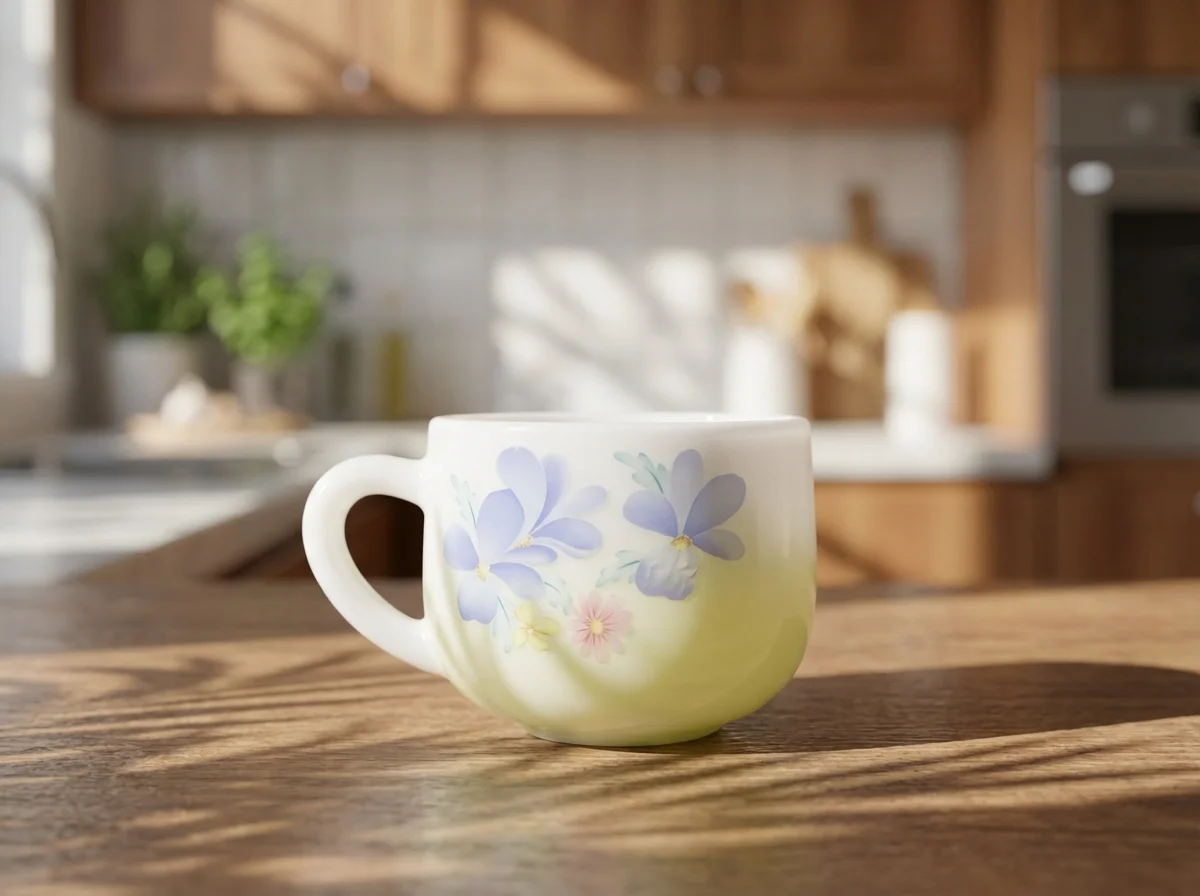
Etsy Product Photography: How to Stand Out in a Crowded Marketplace
Etsy is a beautifully chaotic marketplace where millions of handmade treasures, vintage finds, and creative goods compete for attention. With over 7.5 million active sellers and 94 million buyers, standing out requires more than just great products—you need captivating product photography that tells a story.
Unlike Amazon or Shopify, Etsy buyers aren’t just looking for products. They’re searching for authenticity, craftsmanship, and the human touch behind every handmade item. They want to feel the texture of your knitting, see the grain of your hand-carved wood, and imagine your ceramic mug in their morning routine.
This guide reveals the secrets of successful Etsy sellers who have mastered the art of product photography. From natural lighting techniques and creative styling to AI-powered enhancements, you’ll learn how to transform ordinary product photos into compelling visual stories that convert browsers into buyers.
TL;DR: This guide covers Etsy photography requirements, natural lighting techniques, creative styling ideas, brand storytelling through images, and AI tools to enhance your Etsy product photos while maintaining authenticity.
Understanding Etsy’s Unique Photography Culture
Etsy is fundamentally different from other e-commerce platforms, and that difference shapes everything about how you should approach product photography.
The Etsy Aesthetic Philosophy
Etsy buyers are drawn to the platform specifically because they want something different from mass-produced goods. They’ve rejected the sterile perfection of big-box stores in favor of unique, handcrafted items with character and story.
What Etsy buyers expect: Authenticity with real photos that show genuine craftsmanship, lifestyle context showing products in real-world settings, craftsmanship details with close-ups that demonstrate quality, personal connection through images that reveal the maker’s touch, and creative styling with thoughtful composition that inspires.
What Etsy sellers often get wrong: Generic white background photos that could be from any marketplace, overly polished images that feel impersonal, lack of context showing how products are used, inconsistent styling that weakens brand identity, and poor lighting that hides product details.
Etsy’s Photography Guidelines and Requirements
Before diving into creative techniques, ensure your images meet Etsy’s technical requirements.
Technical specifications:
| Requirement | Specification |
|---|---|
| Minimum dimensions | 2000 pixels on shortest side |
| Recommended size | 3000×3000 pixels for zoom |
| Aspect ratio | No restrictions, but 1:1 works well |
| File format | JPG, PNG, or GIF |
| File size | Under 10MB per image |
| Color mode | sRGB recommended |
Etsy’s photography policies: No watermark or logo on product images, no promotional text or pricing, no images showing other brands’ logos, no offensive or inappropriate content, product must be clearly visible and accurately represented, handmade items should show the actual item not stock photos.
Best practices for Etsy image counts: Minimum recommended is 5 images per listing, optimal range is 8-10 images for complex products, maximum allowed is 10 images per listing.
Why Context Matters More on Etsy
On Amazon, clean white backgrounds work because customers know exactly what they’re getting. On Etsy, context is everything. Buyers need to see your product in action, understand its scale, and feel the emotional connection that justifies paying a premium for handmade goods.
The context advantage:
| Image Type | Amazon Purpose | Etsy Purpose |
|---|---|---|
| White background | Clarity and compliance | Secondary detail shot |
| Lifestyle image | Supplementary | Primary hero image |
| Scale reference | Size accuracy | Emotional sizing |
| Detail shot | Quality proof | Craftsmanship celebration |
| Process image | Rarely used | Brand storytelling |
Natural Lighting Techniques for Etsy Products
Light is the soul of photography, and for handmade products, natural light reveals textures, colors, and details that artificial lighting often flattens.
Finding the Perfect Natural Light
The best Etsy photographers aren’t using expensive studio equipment—they’re mastering window light.
Best light sources for different products:
| Light Source | Best For | Worst For |
|---|---|---|
| North-facing window | Consistent, soft light all day | None really |
| Open shade | Outdoor products, large items | Color accuracy |
| Golden hour | Warm, cozy products | Cool-toned items |
| Overcast day | Even lighting, no shadows | Dramatic shadows |
| Direct sunlight | Bold, high-contrast shots | Soft pastels, fabric |
The north window rule:
North-facing windows provide the most consistent natural light throughout the day because they never receive direct sunlight. This creates soft, even illumination that’s perfect for most Etsy products. If you don’t have a north-facing window, a shaded south or east window works well for most of the day.
Setting Up Your Natural Light Studio
You don’t need a dedicated studio—just a few strategic adjustments to your existing space.
Essential setup components: Position near a window (2-4 feet from the window), use a white backdrop (white foam board or seamless paper), add a diffuser (white curtain or shower curtain to soften harsh light), include a reflector (white foam board to bounce light back onto shadows), and use a tripod to stabilize camera for sharper images.
Setup configuration:
Window
  |
  |  Diffuser (optional)
  |
  [Product on White Background]
  |
  |  Reflector (opposite window)
  |
[Camera on Tripod]
The diffuser technique:
When direct sunlight hits your product, it creates harsh shadows and blown-out highlights. A simple diffuser—a white sheet, shower curtain, or translucent blinds—softens the light dramatically. Position the diffuser between the window and your product for soft, even illumination.
The reflector technique:
Products often have shadowed sides facing away from the window. A white foam board positioned opposite the window bounces light back into those shadows, creating more even exposure without artificial lighting.
Color Accuracy in Natural Light
One of the biggest challenges with natural light is maintaining accurate colors. Different times of day and weather conditions shift color temperature dramatically.
Color accuracy tips: Shoot in RAW format if your camera supports it for maximum flexibility, set custom white balance using a gray card, shoot during midday for neutral color temperature, avoid mixed lighting (window light + artificial light), and remember that consistency matters more than absolute accuracy.
The gray card method:
A simple 18% gray card (available for $10-20) allows you to set perfect white balance in camera or during editing. photograph the gray card under the same lighting as your product, then use it as a reference in editing software.
Creative Styling and Composition
Technical quality gets you in the door, but creative styling makes customers fall in love with your products. Etsy buyers respond to thoughtfully composed images that tell stories.
The Art of Product Styling
Etsy photography is as much about art direction as it is about documentation. Your styling should help buyers envision your product in their lives.
Styling principles for handmade products: Show scale with familiar objects (coins, books, hands, or everyday items help customers understand size), add human elements (a hand holding your jewelry, a mug beside a steaming coffee), incorporate textures (fabrics, wood, plants, and natural materials complement handmade goods), create vignettes (small, styled scenes that tell a complete story), and season appropriately (fresh flowers for spring, cozy blankets for autumn).
Styling ideas by product category:
Jewelry and Accessories: Hands wearing or holding the piece, close-up on skin showing texture, jewelry on velvet or linen, with complementary items (key, wallet, watch), in gift packaging.
Home Decor and Candles: In room settings showing scale, lit state showing warm glow, with decorative elements (flowers, books, textiles), seasonal and holiday styling, before and after packaging.
Clothing and Apparel: Flat lay on textured backgrounds, hanged display showing drape, being worn (use models or mannequins), detail shots of fabric and construction, styling with complementary items.
Art and Prints: Mapped on wall showing scale, in frame with props, detail close-ups of techniques, process shots for artistic items, styled in room settings.
Composition Rules for Product Photography
Understanding composition helps you create images that feel balanced and professional.
The Rule of Thirds:
Imagine your frame divided into a 3×3 grid. Place your product at the intersection points rather than dead center. This creates more visual interest and a natural feel.
Leading Lines:
Use lines in your background or props to lead the eye toward your product. A wooden table’s grain, a folded cloth’s edge, or a shadow’s edge can all direct attention.
Negative Space:
Don’t be afraid of empty space around your product. Negative space gives your product room to breathe and creates a more premium, editorial feel.
Frame Within a Frame:
Use windows, doorways, or other natural frames to add depth and context to your images.
Before and After:
For items like signs, clothing, or products with variations, show the item in different states or configurations.
Creating a Consistent Brand Aesthetic
Consistent styling builds brand recognition and trust. When buyers see your images, they should immediately recognize your shop.
Building your brand style: Choose a color palette (2-3 colors that appear in most images), select background textures (linen, wood, concrete, or paper), define props (consistent items that appear across your catalog), standardize lighting style (natural and warm, or cool and dramatic), and create templates (go-to compositions for different product types).
Style consistency checklist: Ensure background colors are consistent, prop styles complement each other, lighting quality is uniform, editing style maintains consistency, and brand colors appear throughout.
Showcasing Craftsmanship and Details
For handmade products, details are your differentiator. Mass-produced goods cannot match the care and quality of handcrafted items—and your photography should prove it.
The Power of Detail Shots
Detail images are where craftsmanship is revealed and justified. A buyer considering a $200 handmade leather wallet needs to see the stitching, texture, and quality up close.
What to photograph in detail:
| Product Type | Essential Details |
|---|---|
| Leather goods | Stitching, texture, edge finishing, hardware |
| Jewelry | Stone setting, chain detail, clasp, patina |
| Ceramics | Glaze variation, foot detail, throwing lines |
| Woodwork | Grain pattern, joinery, finish texture |
| Textiles | Stitch quality, fabric texture, print detail |
| Paper goods | Paper weight, print quality, binding |
Detail shot best practices: Use macro mode or macro lens for extreme close-ups, ensure perfect focus on the detail (use manual focus), show both wide context and extreme close-up, capture multiple detail shots from different angles, and include a sense of scale when relevant.
Scale and Size Representation
One of the biggest frustrations for Etsy buyers is uncertainty about size. Clear scale references eliminate this hesitation.
Effective scale reference techniques: Hold in hand for natural scale reference that feels personal, use common objects (coins, credit cards, phones, or books), add measurement graphics (overlaid measurements or size comparisons), show body placement (jewelry on neck, scarves on shoulders), and include room placement (items in context of furniture or architecture).
Scale reference examples:
| Product | Reference Object |
|---|---|
| Small jewelry | Quarter coin, watch face |
| Mugs and cups | Standard coffee mug, hand |
| Scarves | Neck/shoulder view, arm span |
| Wall art | Door frame, furniture nearby |
| Large items | Person standing beside |
Before and After Variations
For products with options or transformations, showing variations builds confidence.
Variation photography ideas: Multiple colors or finishes displayed together, unfinished versus finished states, stacked or expanded versus compact, different styling options, and size progression for scalable items.
Etsy’s Featured Images and Thumbnails
The first image in your Etsy listing is your thumbnail in search results. This image determines whether people click through to your listing.
Optimizing Your Thumbnail
In Etsy’s grid of search results, your thumbnail competes with hundreds of others. It needs to stop the scroll.
Thumbnail best practices: Show the complete product clearly (buyers need to understand what they’re getting), use vertical composition (vertical thumbnails take more screen space), stand out from competitors (different colors, angles, or styling), avoid text overlays (Etsy doesn’t allow text on images, and they distract), and ensure readability at small sizes (bold, simple compositions work best).
A/B testing thumbnails:
Track which images get the most clicks by changing your primary image periodically. Test different angles, styling approaches, or product variations.
The Five-Image Formula for Etsy Success
Structure your image gallery to tell a complete story:
Image 1: Lifestyle Hero - The most compelling, click-worthy image that shows product in aspirational context. Use vertical composition for thumbnail impact with emotionally engaging styling.
Image 2: Product Overview - Clean view of the complete product that shows true colors and overall appearance. Can be on simple white or light background for technical clarity after emotional hook.
Image 3: Lifestyle Context - Product being used or displayed that helps buyers envision ownership. More styled and environmental with different angle or setting from hero.
Image 4: Details and Craftsmanship - Close-up shots of quality details that demonstrate handmade nature. Multiple angles if complex, showing textures, materials, and construction.
Image 5: Scale and Variations - Size reference or scale comparison, color/material options if applicable, different views or configurations that answer remaining buyer questions.
Images 6-10 (if using): Additional lifestyle variations, packaging and presentation, process shots (for storytelling), gifting context, and care or use instructions.
AI-Powered Enhancement for Etsy Photos
AI tools can enhance your Etsy photography without losing the authentic, handmade feel that buyers expect. The key is enhancement, not replacement.
When and How to Use AI for Etsy
AI works best as a tool to improve what you’ve already photographed, not to replace real photography entirely.
Appropriate AI uses for Etsy: Color correction (ensuring accurate colors across images), background cleanup (removing distracting elements), lighting enhancement (balancing exposure and contrast), sharpening (enhancing detail clarity), watermark removal (cleaning supplier images for original work), and background replacement (adding lifestyle backgrounds to product shots).
Inappropriate AI uses: Completely generating fake product images, misrepresenting product appearance, using stock photos as product images, creating misleading scale references, and generating fake reviews or testimonials.
FocalFlow AI for Etsy Sellers
FocalFlow AI offers Etsy-specific features that help handmade sellers enhance their photography while maintaining authenticity.
Etsy-optimized features: Lifestyle scene templates (pre-styled scenes perfect for Etsy aesthetic), natural lighting presets (enhance window light without looking artificial), craftsmanship enhancement (highlight details without over-processing), consistent branding tools (apply unified style across your catalog), and social media formats (create Instagram and Pinterest images alongside Etsy listings).
Workflow for Etsy sellers: Photograph your product with natural light and proper setup, upload to FocalFlow AI for enhancement, apply Etsy-optimized preset for your product category, enhance details while maintaining authenticity, and export for Etsy, Instagram, and Pinterest simultaneously.
Maintaining Authenticity While Enhancing
The fine line between enhancement and deception is critical on Etsy, where authenticity is the currency of trust.
The authenticity checklist: Product colors are accurate (enhanced, not changed), details are clearer (not added or removed), lighting looks natural (not artificially manipulated), scale references remain accurate, product is still recognizable as what you’re selling, and any AI elements are clearly AI-generated (not required, but ethical).
When to skip enhancement: If enhancement changes how the product actually looks, if you’re tempted to misrepresent the item, if the original photo accurately represents the product, for process shots or behind-the-scenes content, or when authenticity is more important than perfection.
Etsy SEO and Image Optimization
Great photos need to be discoverable. Etsy SEO and image optimization work together to drive traffic to your listings.
Keyword Integration in Images
While you can’t put keywords directly on images, your photo choices influence Etsy’s search algorithm.
Etsy SEO image factors: Alt text (write detailed, keyword-rich descriptions for each image), file names (use descriptive file names like leather-wallet-brown.jpg not IMG_5823.jpg), image order (your first image should match the primary search term), and consistency (consistent styling helps Etsy’s algorithm understand your shop).
Alt text template:
Include product name, key features, color, and use context.
Leather crossbody bag in cognac brown, hand-stitched with brass hardware, casual everyday bag for women
Optimizing for Etsy’s Search Algorithm
Etsy’s algorithm considers multiple image factors when ranking listings.
Image quality signals: High resolution (2000+ pixels), fast loading times, clear product visibility, consistent quality across images, and positive engagement signals (clicks, saves).
Technical optimization: Compress images to under 500KB for fast loading, use consistent aspect ratios across listings, enable image zoom (high-resolution images), and test mobile display on various devices.
Common Etsy Photography Mistakes
Learning from others’ mistakes helps you avoid costly errors in your own photography.
The Top 10 Etsy Photography Mistakes
| Mistake | Impact | Solution |
|---|---|---|
| Using supplier images directly | Looks unprofessional, blends in | Photograph your own products |
| Poor lighting | Hides details, looks amateur | Master natural window light |
| No lifestyle context | Hard to envision use | Add styled contextual shots |
| Missing scale references | Size confusion, returns | Include size comparisons |
| Inconsistent styling | Weak brand identity | Create and follow style guide |
| Over-editing | Loss of authenticity | Enhance, don’t transform |
| Too many similar images | Wasted image slots | Show diverse views and uses |
| Blurry images | Low quality perception | Use tripod, proper focus |
| Wrong thumbnail | Low click-through rate | Optimize first image for scroll-stopping |
| Ignoring mobile | Poor mobile experience | Test on phone screens |
Fixing Common Issues
Issue: Colors look different in photos
Solution: Use proper white balance, shoot in consistent lighting, and verify colors against real products. Consider a color checker for calibration.
Issue: Images look flat and lifeless
Solution: Add depth with layered backgrounds, incorporate shadows and highlights, and use the diffuser-reflector technique for dimension.
Issue: Inconsistent quality across listings
Solution: Create a photography workflow and style guide. Batch photograph products in sessions. Use templates for consistency.
Issue: Photos don’t represent product accurately
Solution: Always photograph the actual item. Be transparent about variations. Use accurate color representation.
FAQ: Etsy Product Photography
How many product photos should I have on Etsy?
Etsy allows up to 10 images per listing. We recommend 6-8 images minimum for most products. Each image should serve a distinct purpose in the buying journey.
Can I use AI-generated images on Etsy?
Yes, but with important caveats. AI-enhanced photos are acceptable if they accurately represent your product. Completely AI-generated images that don’t match the physical product violate Etsy’s policies. Always disclose if asked.
What’s the best camera for Etsy product photography?
You don’t need an expensive camera. Modern smartphones (iPhone 12 Pro or newer, Google Pixel 5 or newer) capture excellent product photos. A good lens and proper lighting matter more than camera body.
Should I hire a professional photographer?
For high-value items or established shops generating significant revenue, professional photography can be worth the investment. For most Etsy sellers, learning proper techniques and using AI enhancement provides excellent results at lower cost.
How do I photograph reflective products?
Reflective surfaces like metal, glass, or glossy ceramics are challenging. Use a light tent or diffused lighting setup. Experiment with angles to minimize direct reflections. Consider coating products with anti-reflective spray for photography.
What’s the best background for Etsy photos?
Etsy allows various backgrounds, but white, light gray, and natural textures work best. Avoid busy or colored backgrounds that distract from your product. Consistent backgrounds across your catalog build brand recognition.
How often should I update my product photos?
Review and update photos every 6-12 months. Update immediately when launching new products, refreshing inventory, or when your style evolves. Seasonal updates (holiday styling, spring backgrounds) can boost engagement.
Can I photograph products on a bed or couch?
Yes! Beds, couches, and other textured surfaces create lifestyle context and warmth. Just ensure the background doesn’t distract from your product. Neutral colors work best.
Summary: Key Takeaways for Etsy Success
Mastering Etsy product photography takes practice, but the investment pays dividends in sales and shop growth.
Key principles: Embrace Etsy’s unique culture (buyers want authenticity, craftsmanship, and story—not sterile product shots). Master natural lighting (window light is your most powerful tool—master it before investing in equipment). Style with intention (every prop and background should serve the story of your product). Show your craftsmanship (detail shots justify premium pricing for handmade goods). Solve the scale problem (size uncertainty drives returns—show scale clearly and consistently). Optimize thumbnails (your first image determines whether people click—make it scroll-stopping). Use AI wisely (enhancement preserves authenticity—never misrepresent your products). Build brand consistency (a cohesive visual identity builds recognition and trust). Tell a complete story (structure your gallery to answer questions and build desire). Never stop improving (test, learn, and evolve your photography over time).
The most successful Etsy sellers understand that their product photography is an extension of their craft. The same care, attention to detail, and authenticity you put into your products should shine through in every photograph.
Ready to elevate your Etsy shop with professional product photography? Try FocalFlow AI free trial and enhance your handmade product images while maintaining the authentic aesthetic that Etsy buyers love. Upload your natural light photos and create stunning, consistent imagery in seconds.
Related Articles
Explore more resources on product photography optimization: Shopify Product Image Optimization, Dropshipping Product Images, 5 E-Commerce Product Image Tools Compared, and E-commerce Product Photography & Visual Design Guide.