AI Ad Clone Tool: Copy Winning Ad Styles in Seconds
Clone competitor ad styles with AI. Upload reference ad + product photo, get professional results in 5 seconds. Boost conversions 30-50%. Free trial available.
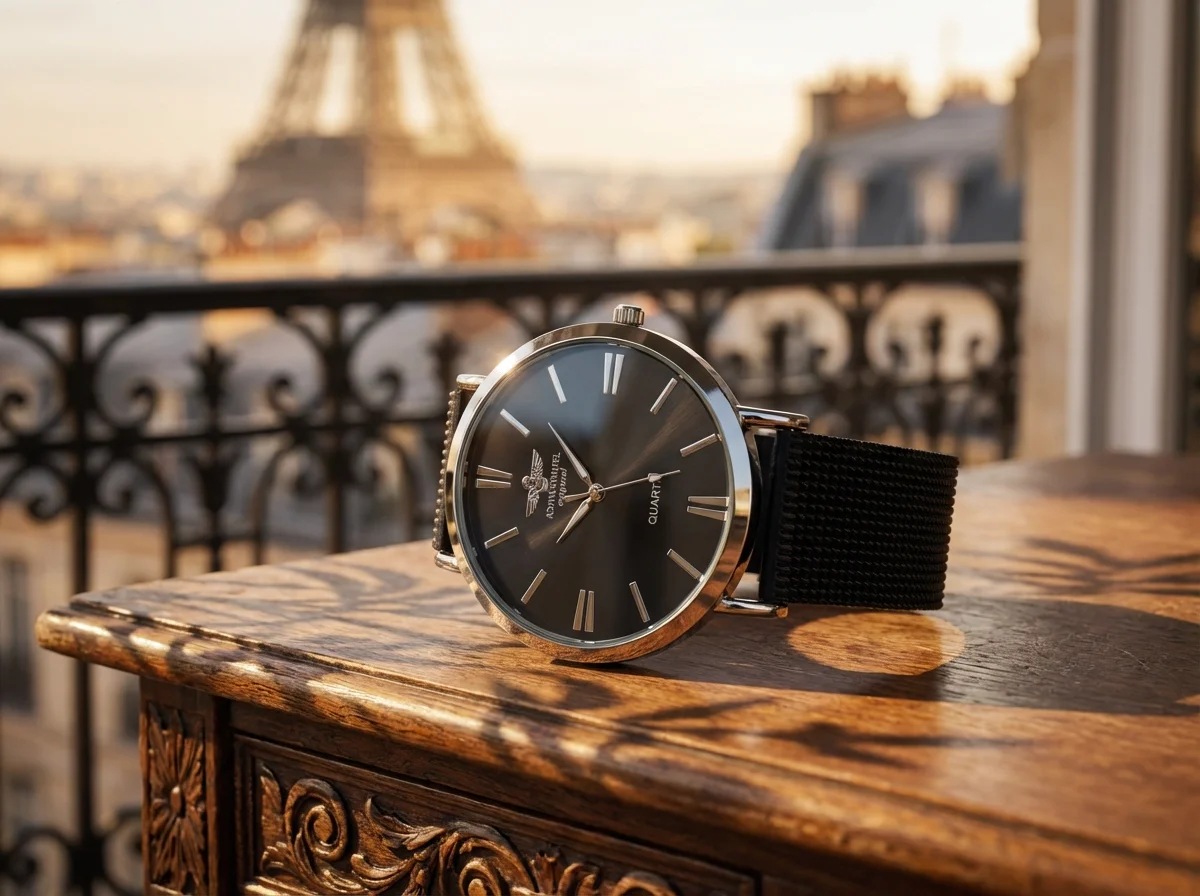
AI Ad Clone Tool: How to Replicate Competitor Ad Styles and Boost Your Sales
Ever scrolled through Amazon or Instagram and wondered why some product ads just look more professional and appealing than others?
The secret isn’t always a massive photography budget. Top-performing sellers have cracked the code on visual styles that convert - and now, with AI ad clone tools, you can apply those same winning aesthetics to your own products.
In this comprehensive guide, we’ll explore how ad cloning works, why it’s becoming essential for e-commerce success, and how you can use this strategy to dramatically improve your product advertising without hiring expensive photographers or designers. If you’re new to AI product photography, check out our complete e-commerce visual design guide first.
TL;DR: Ad clone tools analyze successful advertisement styles and apply the same visual aesthetics (lighting, composition, mood, background) to your product images. This lets you leverage proven visual strategies without expensive photoshoots, potentially increasing conversion rates by 30-50%.
Table of Contents
- What Is Ad Cloning and Why Does It Matter?
- How Ad Clone Technology Works
- Why E-Commerce Sellers Need Ad Cloning
- Strategic Use Cases for Ad Cloning
- Best Practices for Effective Ad Cloning
- FocalFlow AI Ad Clone Features
- Common Questions About Ad Cloning
- Real Results: Success Stories
- Getting Started
What Is Ad Cloning and Why Does It Matter?
Ad cloning is the process of replicating the visual style and aesthetic of successful advertisements while featuring your own products. It’s not about copying images - it’s about understanding and applying the visual language that makes certain ads convert better than others.
The Psychology Behind Successful Ad Styles
Why do some product images instantly grab attention while others get scrolled past? The answer lies in visual psychology:
Proven visual elements that drive conversions: Professional lighting creates perceived quality and trust. Lifestyle contexts help customers visualize product ownership. Consistent color tones evoke specific emotions and brand associations. Strategic composition guides the eye to key product features. Environmental styling signals target audience alignment.
When you see a bestselling product with stunning imagery, that visual style wasn’t accidental. It was carefully crafted (or discovered through testing) to resonate with the target audience. Ad cloning lets you skip the expensive trial-and-error process.
The Traditional Problem: Visual Style Is Expensive
Creating professional ad imagery traditionally requires studio rental ($500-2,000 per day), professional photographer ($300-1,000 per session), props and styling ($200-500 per shoot), post-production editing ($50-200 per image), and multiple iterations to find what works. Learn more about traditional vs AI photography costs.
For a single product, you might spend $1,000-5,000 before finding a visual style that actually converts. Multiply that across a product catalog, and the costs become prohibitive for most sellers.
The AI Solution: Clone What Already Works
AI ad clone tools flip this equation. Instead of guessing what visual style might work, you can reference ads that are already proven successful, analyze their visual DNA (lighting, composition, mood, background), and generate new images applying those same aesthetics to your products.
The result: Professional-quality ads at a fraction of the cost, with visual styles validated by market performance.
How Ad Clone Technology Works
Understanding the technology helps you use it more effectively. Here’s what happens when you use an AI ad clone tool:
Step 1: Reference Image Analysis
The AI examines your reference advertisement and extracts key visual characteristics:
| Visual Element | What AI Analyzes |
|---|---|
| Lighting | Direction, intensity, color temperature, shadow characteristics |
| Background | Style, colors, textures, depth, environmental context |
| Composition | Product placement, negative space, focal points |
| Color Tone | Overall palette, saturation, contrast, mood |
| Atmosphere | Lifestyle context, emotional resonance, brand positioning |
Step 2: Product Integration
Next, the AI analyzes your product image to understand its shape, edges, colors, and key features that need to be preserved.
Step 3: Style Transfer and Generation
The AI then generates a new image that places your product in a scene matching the reference style, preserves your product’s authentic appearance, applies consistent lighting and shadow characteristics, maintains the mood and atmosphere of the reference, and creates a cohesive, professional result.
The Technical Magic
Modern ad clone tools use advanced AI models trained on millions of professional photographs. They understand not just what makes an image look good, but what makes it look commercially effective.
This is different from simple background removal or basic filters. The AI is making sophisticated decisions about how light would interact with your specific product in the reference environment.
Why E-Commerce Sellers Need Ad Cloning
The e-commerce landscape has become intensely visual. Here’s why ad cloning is becoming essential:
1. The Attention Economy Is Brutal
Key statistics: Average attention span on product listings is 2-3 seconds. Users scroll past 300+ products before making a purchase decision. First-impression visual quality determines 93% of purchasing decisions.
You don’t have time to explain why your product is great. Your images need to communicate quality, value, and desirability instantly. Cloning proven ad styles gives you a shortcut to visual effectiveness.
2. Competitors Are Already Doing It
Top sellers continuously optimize their visual strategies. They A/B test different styles, analyze what works, and iterate. If you’re not matching their visual quality, you’re losing sales to them.
Ad cloning levels the playing field. You can apply the same visual strategies that big brands use, without their photography budgets.
3. Platform Algorithms Favor Engagement
Amazon, Instagram, and other platforms prioritize listings that generate engagement. Better images lead to more clicks, more clicks lead to better rankings, better rankings lead to more visibility, and more visibility leads to more sales. For platform-specific requirements, see our Amazon product image guide and Shopify optimization guide.
Professional-looking ads that match proven styles generate higher engagement, creating a positive feedback loop for your listings.
4. Localization at Scale
Selling internationally? Different markets respond to different visual styles. What works in the US might not resonate in Japan or Germany.
Ad cloning lets you reference successful local competitors and create market-specific imagery without separate photoshoots for each region.
Strategic Use Cases for Ad Cloning
Let’s explore specific scenarios where ad cloning delivers maximum value:
Use Case 1: New Product Launches
The challenge: You’re launching a new product but don’t know what visual style will resonate with your target audience.
The solution: Identify 3-5 bestselling competitors in your category. Clone their ad styles for your product. Test which style performs best. Scale the winning approach.
Example workflow: Research top 10 sellers in your Amazon category. Analyze their main images for common visual patterns. Use ad clone tool to create variations matching different successful styles. A/B test to find your winning style.
Use Case 2: Seasonal Campaigns
The challenge: Holiday seasons require themed imagery, but creating seasonal photoshoots is expensive and time-consuming.
The solution: Find successful seasonal ads from previous years or current top performers. Clone the seasonal aesthetic for your products.
Seasonal applications: Valentine’s Day (romantic lighting, red/pink tones, gift-focused styling), Summer (bright, outdoor, lifestyle-focused imagery), Black Friday (bold, urgent, deal-focused aesthetics), and Holiday Season (warm, festive, gift-giving contexts).
Use Case 3: Market Expansion
The challenge: Expanding to new markets (different countries or platforms) requires understanding local visual preferences.
The solution: Research successful local sellers in your new market. Clone their visual styles to match local expectations.
Example: A US seller expanding to Japan might clone the clean, minimalist aesthetic common in successful Japanese e-commerce ads, rather than using their existing US-style imagery.
Use Case 4: Brand Refresh
The challenge: Your current product images look dated or inconsistent, but reshooting everything is prohibitively expensive.
The solution: Identify a modern, successful visual style that aligns with your brand direction. Clone that style across your entire catalog for instant consistency.
Use Case 5: Competitive Response
The challenge: A competitor launches with stunning imagery and starts taking market share.
The solution: Analyze their visual strategy. Clone the effective elements while maintaining your brand identity. Respond quickly without lengthy photoshoot planning.
Best Practices for Effective Ad Cloning
To get maximum results from ad cloning, follow these strategic guidelines:
1. Choose Reference Ads Strategically
Not all successful ads are worth cloning. Look for ads with proven performance (bestseller badges, high review counts, strong engagement), target audience alignment (the ad appeals to your ideal customer), product similarity (similar product type, size, or use case), and achievable aesthetics (styles that will work with your product).
Avoid cloning: Ads that rely on specific branded elements, styles that don’t match your product category, and overly complex scenes that may not transfer well.
2. Preserve Your Product’s Authenticity
The goal is to enhance your product’s presentation, not misrepresent it. Ensure your product’s true colors are maintained, key features remain visible and accurate, size and proportions are realistic, and the final image honestly represents what customers will receive.
3. Test Multiple Styles
Don’t assume the first cloned style will be your best performer. Create 3-5 variations using different reference styles. A/B test on your platform. Let data guide your final choice. For detailed A/B testing strategies, read our product photography A/B testing guide.
4. Maintain Brand Consistency
While cloning competitor styles, maintain elements that define your brand. Consider keeping consistent logo placement, brand color accents where appropriate, similar composition patterns across your catalog, and recognizable styling elements.
5. Iterate Based on Performance
Ad cloning isn’t a one-time activity. Continuously monitor which styles perform best. Update your approach as market trends evolve. Test new reference styles periodically.
FocalFlow AI Ad Clone: Your Competitive Advantage
FocalFlow AI Ad Clone is purpose-built for e-commerce sellers who want to leverage proven ad styles without expensive photoshoots.
Key Features
One-Step Style Cloning: Upload a reference ad and your product image. AI analyzes the style and generates a professional result in seconds.
Smart Style Analysis: Advanced AI understands lighting, composition, mood, and atmosphere - not just colors and backgrounds.
Product Preservation: Your product’s authentic appearance is maintained while being placed in the new visual context.
Multiple Aspect Ratios: Generate images optimized for Amazon (1:1), Instagram (4:5), Facebook ads (1.91:1), and more.
High-Resolution Output: Commercial-quality images up to 4K resolution, ready for any platform.
Fast Generation: Complete results in 5-10 seconds, enabling rapid testing and iteration.
How to Use FocalFlow Ad Clone
Step 1: Upload your reference advertisement (the style you want to clone).
Step 2: Upload your product image (clear photo on any background).
Step 3: Optionally add product description for better context.
Step 4: Select aspect ratio and resolution.
Step 5: Generate and download your cloned ad.
Pricing
FocalFlow Ad Clone uses a credit-based system. Each generation costs 15 credits. Credits never expire. Packages start from $4.99. Free trial available to test the technology.
Common Questions About Ad Cloning
Is Ad Style Cloning Legal?
Yes, absolutely. You’re not copying actual images or trademarked content. You’re applying similar visual aesthetics (lighting style, composition approach, mood) to your own original product photos.
This is no different from a photographer studying successful commercial photography and applying similar techniques to their own work.
Will My Cloned Ads Look Generic?
Not if you use the tool strategically. The AI preserves your product’s unique characteristics while applying the reference style. Your product remains the hero - it’s just presented in a more effective visual context.
How Is This Different from Background Removal?
Background removal simply cuts out your product and places it on a new background. Ad cloning is far more sophisticated. It analyzes and replicates lighting characteristics, shadow behavior, color grading, atmospheric mood, and compositional style. If you just need background removal, check out our comparison of product image tools.
The result is a cohesive image where your product looks like it was actually photographed in that environment.
Can I Clone Any Ad Style?
Most styles can be effectively cloned, but some work better than others. Best results come from lifestyle and environmental scenes, studio lighting setups, clean commercial aesthetics, and product-focused compositions.
More challenging are ads with complex human interactions, highly specific branded environments, and abstract or artistic styles.
How Many Variations Should I Test?
We recommend testing 3-5 different cloned styles initially. Track performance metrics (CTR, conversion rate) for 2-4 weeks. Then scale your best performer while continuing to test new variations.
Real Results: Ad Cloning Success Stories
Case Study 1: Amazon Kitchen Products Seller
Challenge: New product launch with no photography budget.
Approach: Cloned styles from top 3 bestsellers in category.
Results: 47% higher CTR than previous product launches. Achieved bestseller badge within 6 weeks. Saved estimated $2,000 in photography costs.
Case Study 2: Shopify Fashion Accessories
Challenge: Inconsistent product imagery hurting brand perception.
Approach: Identified aspirational brand with desired aesthetic. Cloned style across entire 200-product catalog.
Results: 35% increase in average order value. 28% reduction in bounce rate. Cohesive brand presentation achieved in 2 days.
Case Study 3: Cross-Border E-Commerce
Challenge: US products not converting in European markets.
Approach: Researched successful European competitors. Cloned local visual preferences for each market.
Results: 52% improvement in German market conversion. 41% improvement in UK market conversion. Single product image set adapted for 5 markets.
Getting Started with Ad Cloning
Ready to leverage ad cloning for your e-commerce business? Here’s your action plan:
Week 1: Research and Reference Collection
Identify your top 10 competitors or aspirational brands. Screenshot their best-performing product ads. Analyze common visual patterns in successful listings. Select 5 reference styles to test.
Week 2: Generate and Test
Use FocalFlow Ad Clone to create variations. Generate 3-5 cloned versions per product. Upload to your platform as A/B tests. Set up tracking for CTR and conversion.
Week 3-4: Analyze and Optimize
Review performance data after 2 weeks. Identify winning styles. Apply winners to broader catalog. Plan next round of style tests.
Ongoing: Continuous Improvement
Monitor competitor visual strategies monthly. Test new reference styles quarterly. Update seasonal imagery as needed. Scale what works, iterate on what doesn’t.
The Future of E-Commerce Advertising
Ad cloning represents a fundamental shift in how e-commerce sellers approach visual marketing. The old model of expensive photoshoots and guesswork is giving way to data-driven, AI-powered visual optimization.
Key trends to watch: Increased AI sophistication in style understanding, real-time A/B testing integration, platform-specific optimization, and personalized ad generation based on viewer preferences.
Sellers who embrace these tools early will have a significant competitive advantage. Those who don’t will find themselves increasingly outpaced by competitors with more effective visual strategies.
Summary: Key Takeaways
Ad cloning is a legitimate, powerful strategy for improving your e-commerce advertising. Here’s what to remember:
Core principles: Clone styles, not images (apply proven aesthetics to your own products). Let data guide decisions (test multiple styles, scale what works). Maintain authenticity (enhance presentation without misrepresenting products). Think strategically (use cloning for launches, seasons, markets, and competitive response). Iterate continuously (visual optimization is ongoing, not one-time).
The difference between struggling listings and bestsellers often comes down to visual presentation. Ad cloning gives you access to proven visual strategies without the traditional costs and guesswork.
Ready to transform your product advertising with AI-powered style cloning? Try FocalFlow Ad Clone and create professional, high-converting product ads in seconds. Upload your reference ad and product image to see the difference proven visual styles can make for your e-commerce business.
Related Articles
Explore more resources on e-commerce visual optimization: Amazon Listing Image Optimization (clone top seller styles for higher conversions), Shopify Product Image Optimization Guide, 5 E-Commerce Product Image Tools Compared, E-commerce Visual Design Guide, and Amazon Product Image Requirements 2026.